

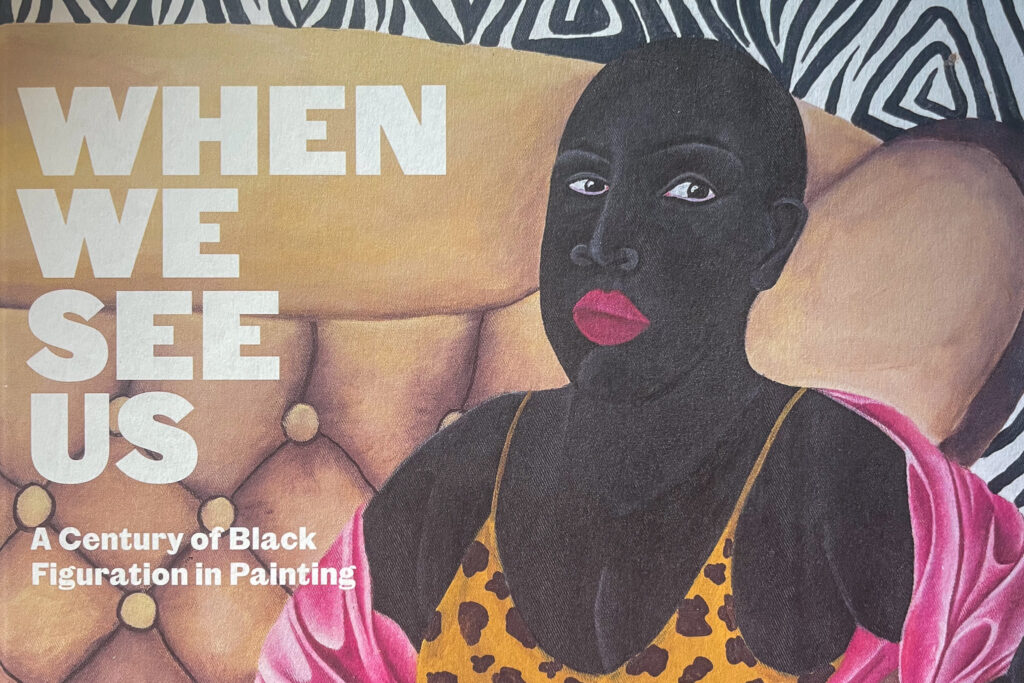
I’ll get straight to the point: When We See Us is a MAJOR exhibition!
And I LOVED IT.
Why I think it’s so grand? I have NEVER seen an exhibition of this scale with only Black artists. This is huge and I applaud the curators for creating it and Bozar for hosting it.
(I will stop the use of uppercase for now, but I want to make sure you feel the enthusiasm.)
Let me break it down.
_the show_
The full title is When We See Us: A Century of Black Figuration in Painting. It celebrates Black daily life through the eyes and artistic skills of artists from Africa and the vast diaspora over the past century. Amplifying a multitude of Black voices and showing ideas and stories that have typically been excluded of western art.
That’s how the exhibit becomes a moment of education as it depicts another history of art!
(If you want to dig into it: the last part of the show is an enormous timeline retracing important historical moments that shaped Black art history. In addition there is a reading space with an amazing selection of books.)
The multiple voices in the exhibit also makes for an amazingly varied show on figurative painting and the diversity of this discipline through the aesthetic vocabularies of 120 artists.
There are six themes, but they occurred to me as being quite interchangeable since they are all part of life, living, the everyday, be it in a domestic, public, urban or rural environment.
This gorgeous celebration of the mundane literally fills the viewer with joy and a sense of calm and peacefulness. This was the goal of Ilze Wolff, architect of the exhibit, who designed it to feel comfortable and joyful about what you see. The use of colour on the walls shifts from the white gallery walls and intensifies the show.
The exhibit is accompanied by a soundscape that functions as a sonic translation of the exhibit. It was put together by Neo Muyanga who created multiple playlists as a repertoire of the music the artists of the exhibit might have been listening to or been influenced by.
The curators Koyo Kouoh and Tandazani Dhlakam chose to show Blackness through the lens of joy and refused to put pain and injustice at the forefront.
There is political power in triumph over oppression.
_when they see us_
The title is inspired by When They See Us, a tragic miniseries directed by Ava DuVernay, about five boys of colour wrongfully-accused and sent to prison for years. You should watch it (Netflix) and while you’re at it, add the Oprah Winfrey Show with the now exonerated men, to the viewing. This heartbreaking story is a highly traumatic and emotional narration of systemic racism and prejudice. It highlights a system that was built to oppress and control. Ava DuVernay’s goal was to create conversation and move people to action. It worked: this exhibit proves it.
Although by replacing “they” by “us”, the narrative flips completely: no talk of danger, crime, trauma, anger and violence but a celebration in a positive way.
Strong contrast with Entangled Pasts at te Royal Academy in London that I saw last year. It also meant to shift the conversation around predominantly white institutions, focusing on the role of art in shaping narratives of empire, enslavement, resistance, abolition and colonialism, honouring Black (and Asian) artists in a very powerful and illuminating way, but with an overwhelming and gripping heaviness.
There’s a different strength in sharing joy. It’s a subtle but powerful response to racial oppression.
_black art matters_
In creative fields, among others, the white gaze has long determined whose stories are told, what gets to be seen, what’s given value and what is deemed worthy enough to be recorded and remembered. But the world doesn’t revolve around whiteness. There are other histories countering this canonical erasures of art history.
“One of the most enduring features of the human condition is the inexhaustible desire to see oneself through visual culture and storytelling.” – Koyo Kouoh
This exhibit shows what it is to be, in this day and age, from a Black experience. Through this black gaze, the works capture the richness and variety of black life, from that perspective. Not showing the struggle, suffering and colonial trauma or economic exploitation and cultural domination, but reclaiming dignity. The figures in the paintings of the exhibit have agency and poise. Unlike the mainstream western art historical genre that objectified them. They counter negative stereotypes of Black people that White people have created.
_optimist_
When We See Us was first shown in Zeitz MOCCA and then Kunstmuseum Basel before landing in Brussels. To me there is a difference in celebrating Black art in South-Africa in the largest museum of contemporary art from Africa and it’s diaspora, in Switzerland (which never had any colonies, even though it has a colonial past through their financial involvement in slave trade) or in Belgium with our colonial past. Bozar and about any institution in Belgium remain very white spaces, in confronting that white gaze with such rich Black art almost looks like recognition. In all my optimism (or is it naïveté) it feels like an opportunity to say: “We see you, the way you deserve to be seen. Let’s add you the the art historical canon.”
_favourites_
To be clear: the exhibit is mainly not about race relations, but about really good artwork. Here are a few artworks I want to remember and artists I want to follow up on.
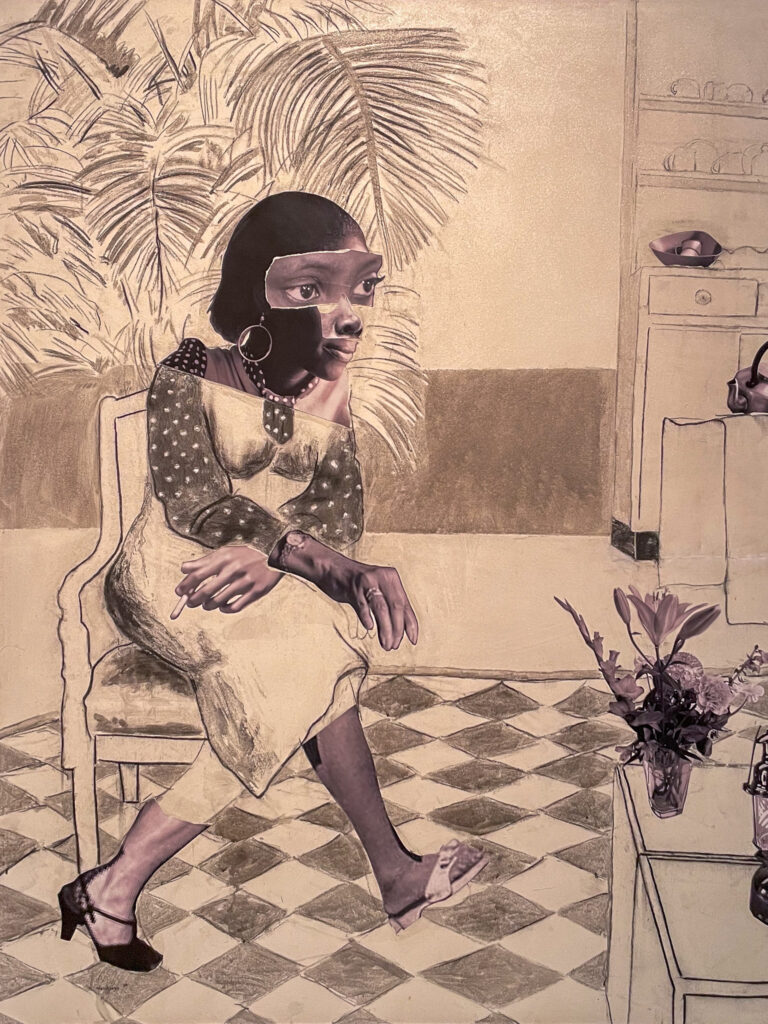
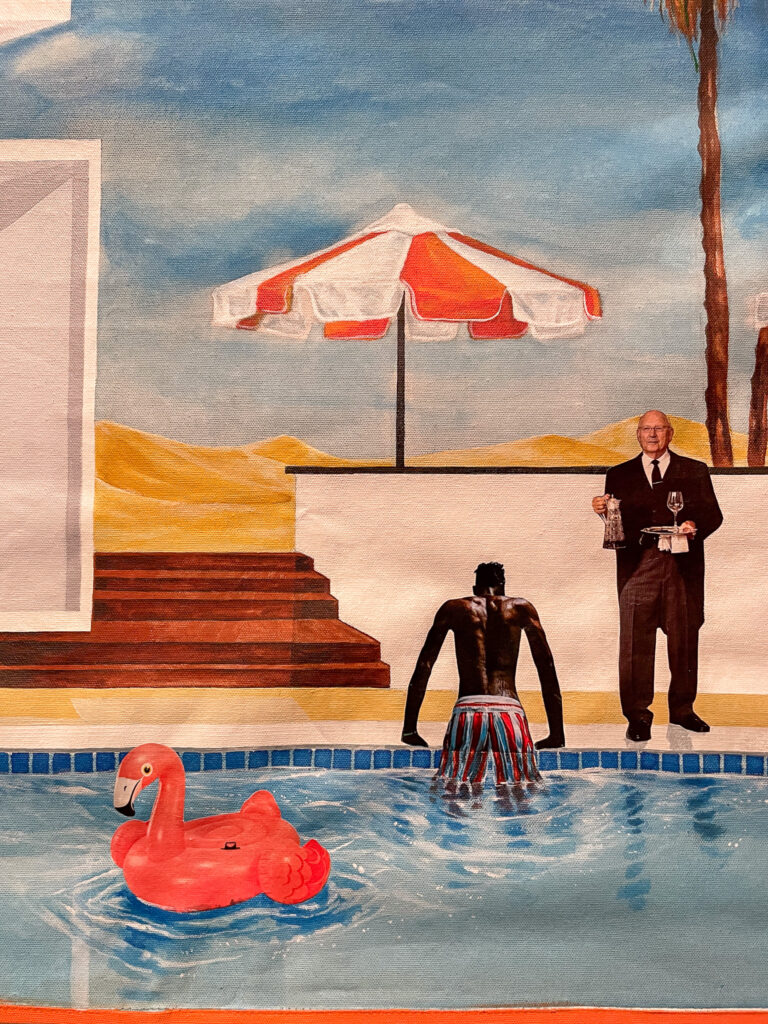
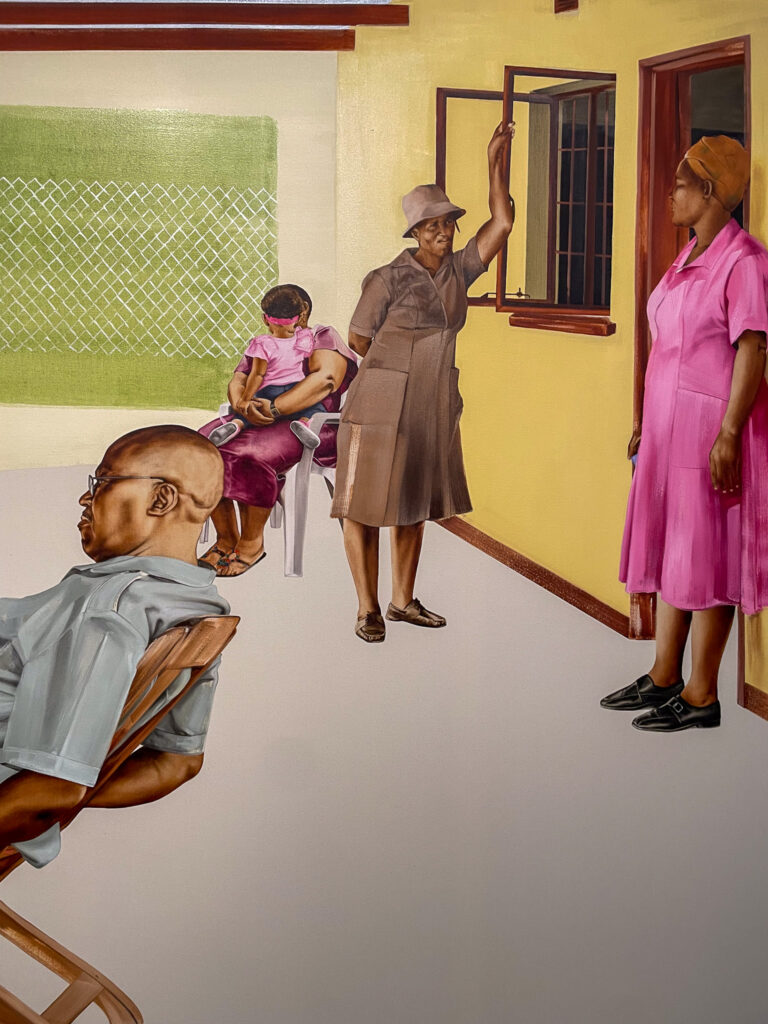
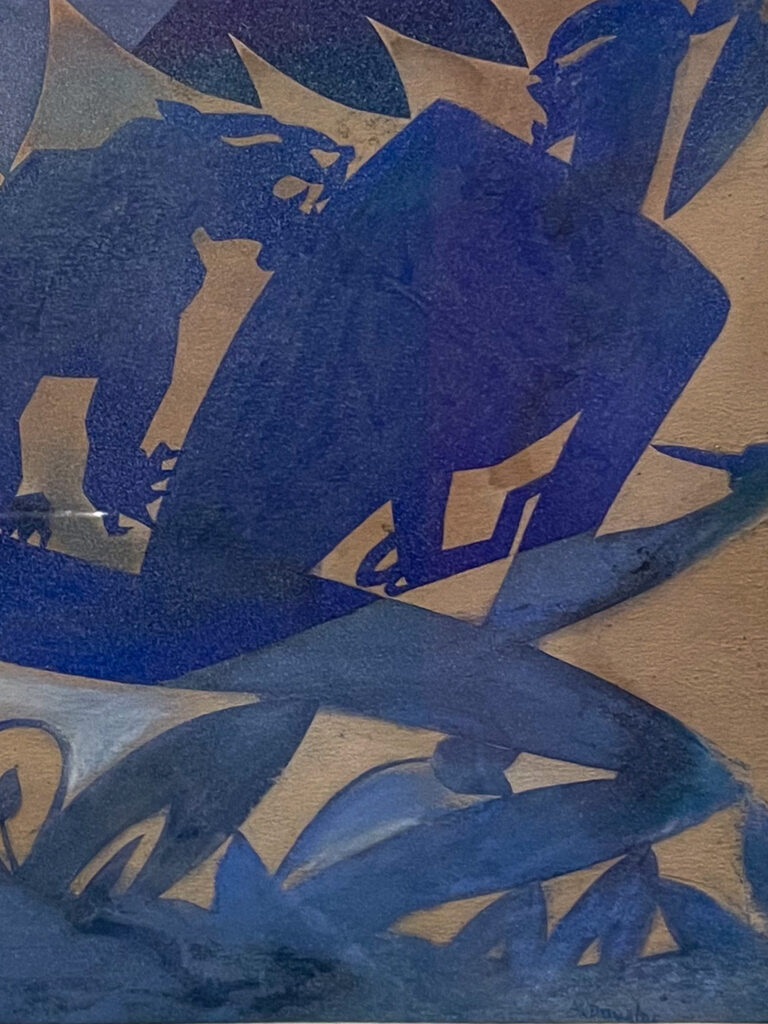
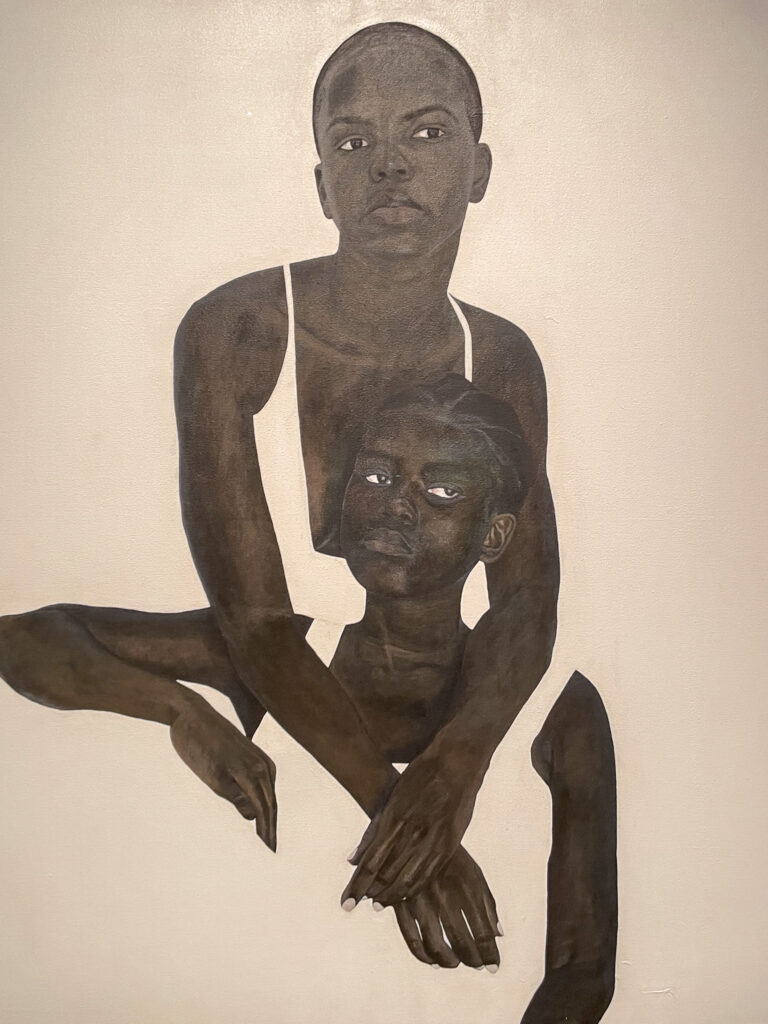
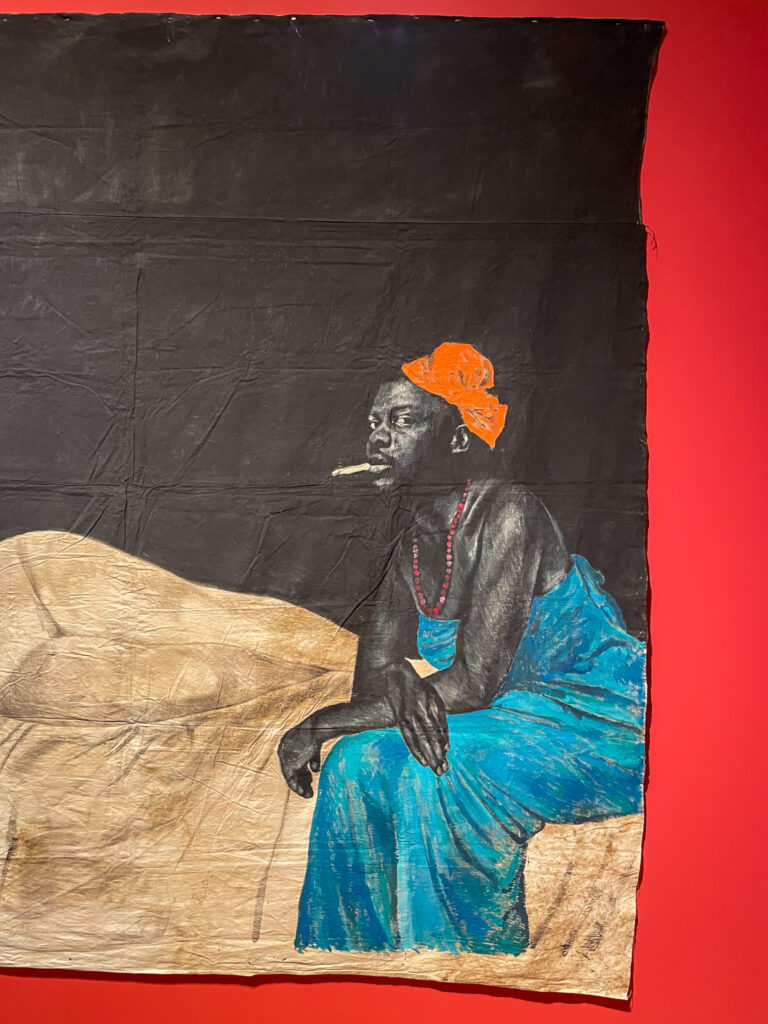

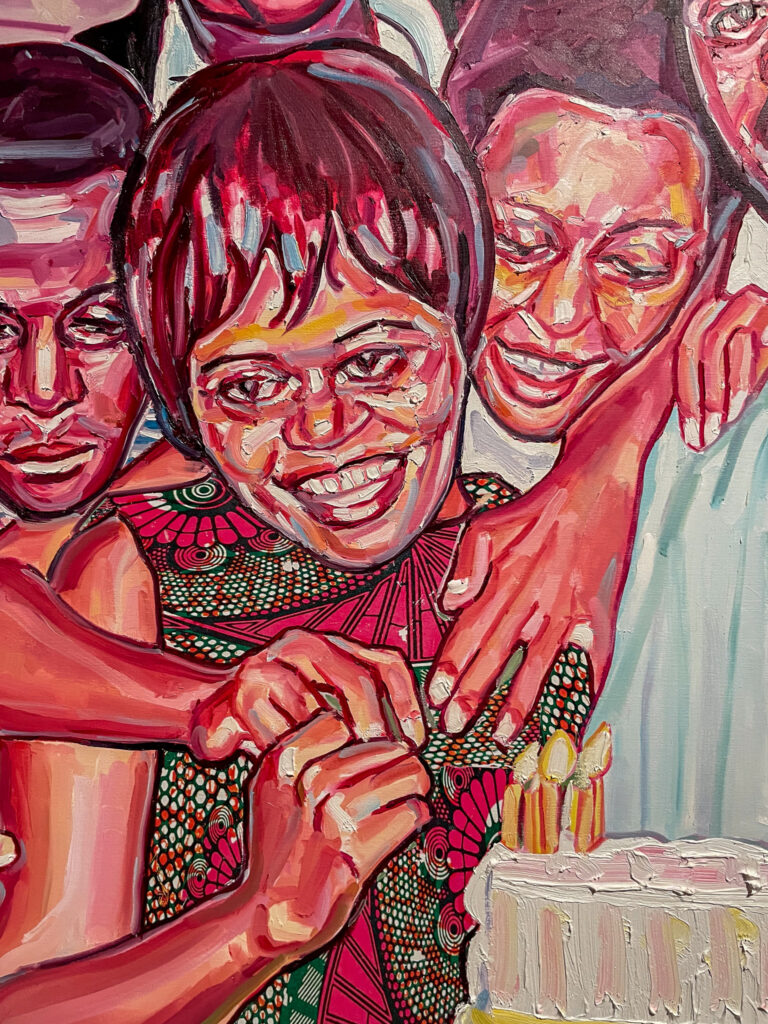
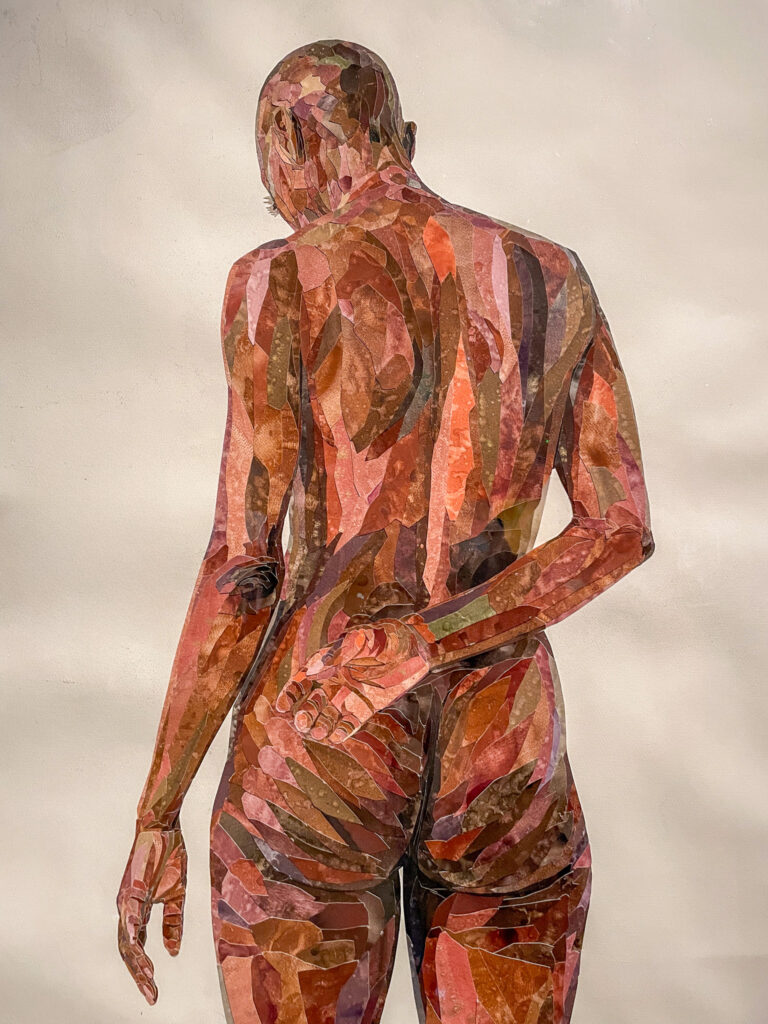
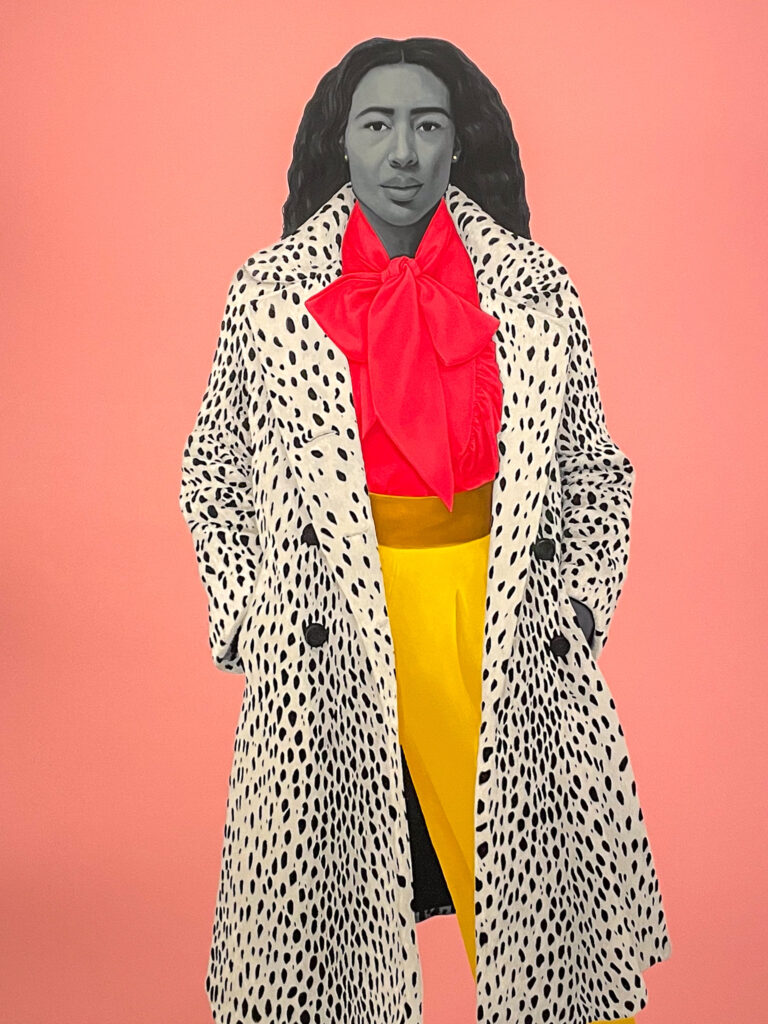
No need to introduce you to Amy Shepard or Kehinde Wiley, right? (If these names don’t ring a bell, their work will for sure: they painted the official portraits of Michelle and Barack Obama).
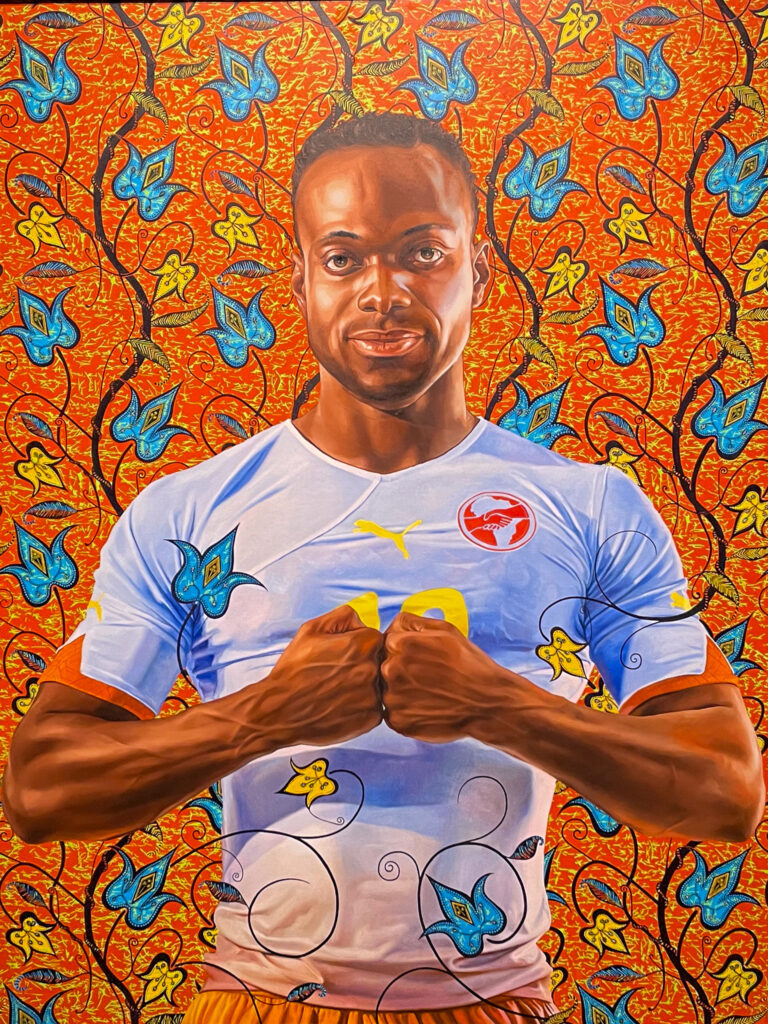
I intend to go through the exhibition catalogue over and over, so I am sure I will discover more.
_conclusion_
1. I applaud the normalisation of the presence of Black art in the art world. Especially in Europe where there has been a serious neglect to show art that is not from the European canon.
2. I feasted my eyes on the many works that have not been seen widely. You should too if you are seriously interested in modern and contemporary art.
When We See Us is inspiring, educational and a delight. What more can you want from an exhibit? Go, see, enjoy and learn.

_details and practicalities_
from 7 February to 10 August 2025
Bozar – Rue Ravenstein 23 – 1000 Brussels
Someone made a Spotify list of the soundscape.
(100% humanly written)